If you are an author printing your first book, a business owner publishing company manuals, or a photographer looking to print a high-end photo album, it is always helpful to understand the process of book printing. One of the initial things that most people do is seeking book printing near me with the purpose of finding a reliable, local printer capable of bringing their project to life with quality and professionalism. This guidebook will walk you through everything you need to know—how it is printed, the types of paper, the types of binding and pre-printing tips—so you can move forward with confidence and clarity.
What is Book Printing?
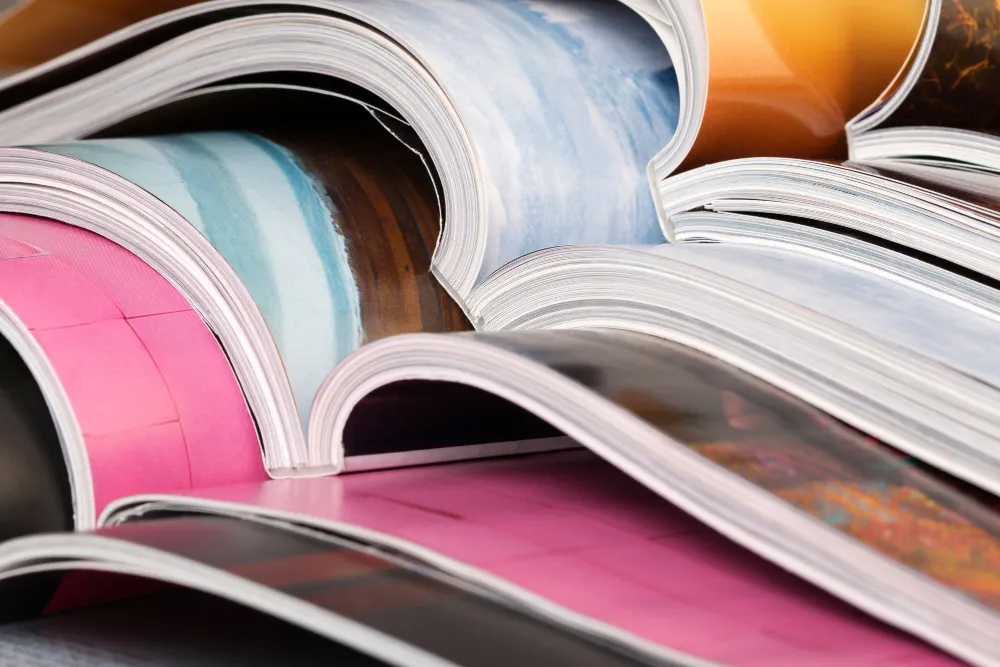
Book printing is the method of putting written or graphical data on paper, binding it, and presenting it in the form of a full book. Depending on what type of book you’re printing—a novel, workbook, catalog, or photobook—the process may be slightly different, but the general pattern remains the same. Book printing has evolved significantly, with options for customizations and formats to suit personal, academic, or business needs. Whichever the number of copies needed – 10 or 10,000 – it all starts with the right method and material.
Offset vs Digital Printing
The two most common book printing technologies are offset printing and digital printing.
Offset printing generates quality output, ideal for large print jobs. Offset printing involves metal plates etching to push ink onto paper to produce uniform image quality, rich colors, and professional finishes. Offset printing has a greater setup cost but is cost-effective for bulk orders.
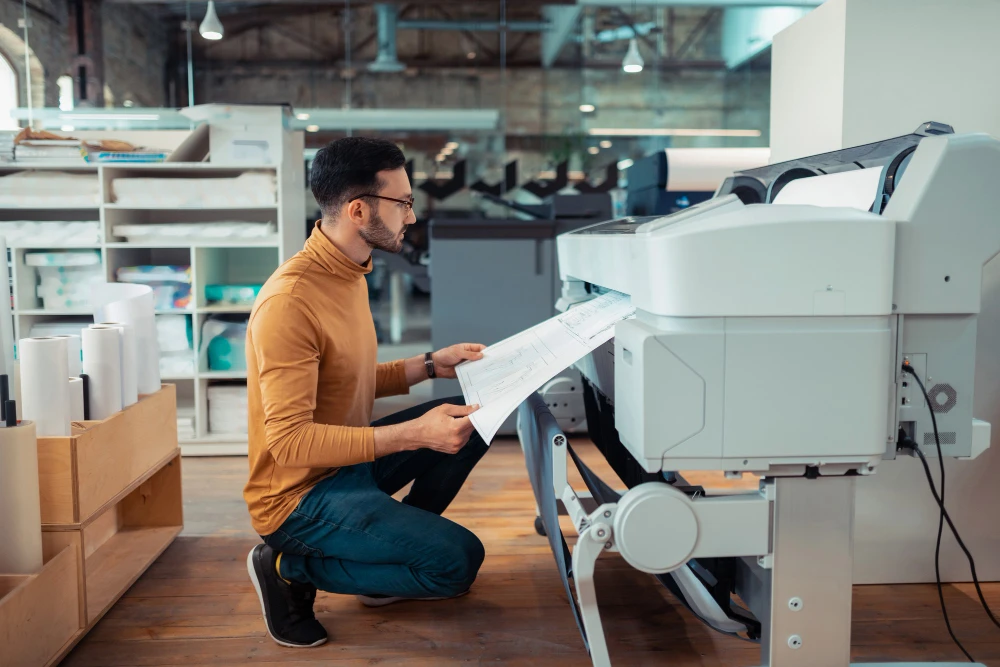
Digital printing is not so good for large orders or on-demand situations, though. It’s fast, flexible, and doesn’t require plates. Digital printing is best for self-publishing books, company manuals, or testing a print run before you would place the larger quantities. If you’re researching book printing services near me, consider your volume needs first, as that will determine what will work for you.
Choosing the Right Paper
Paper selection makes a big difference to the look and feel of your book. Keep the following in mind:
- Coated paper creates a smooth, glossy or matte finish, ideal for books containing high numbers of pictures or color printing.
- Uncoated paper gives a natural, non-reflective feel, best suited to word-based books like novels.
- Paper thickness has an effect on durability. thicker stock feels upscale but costs more to produce and ship.
Choosing the wrong paper will affect your book’s readability and looks, so always request samples or consult with your printer beforehand.
Binding Styles Explained
The binding you choose not only determines the look of your book but its usability as well.
- Perfect Binding: Used on most paperbacks. Cover and pages are glued along the spine, creating a flat, smooth edge.
- Hardcover Binding: Durable and long-lasting. Often used for professional, academic, or gift books.
- Saddle Stitching: Pages stapled along the spine. Suitable for thin booklets or manuals.
- Spiral Binding: Pockets pages flat when opened. Suitable for handbooks, recipe books, or organizers.
All of them have an application depending on your book’s purpose and page count.
Preparing Your File for Print
Proper file preparation prevents delays and errors. Some of the following are requirements:
- Save your file as a high-resolution PDF with embedded fonts and CMYK color space.
- Add correct bleed areas (generally 0.125 inches) and margin safety zones.
- If designing your own cover, ensure the spine width is determined by page count and paper type.
- Double proof for spelling, formatting, and picture quality.
- A correctly prepared file makes production more efficient and the final product better.
Print Quantity and Cost
As you design your book printing project, determine how many copies you need. For print runs ranging from 25, yet up to 500, digital printing is economical and convenient. For large print runs, offset printing becomes more cost-effective per piece, although it entails a higher setup charge.
Options such as these also drive cost:
- Page count
- Paper quality
- Binding type
- Color or black-and-white print
- Cover finish (e.g., matte, gloss, or soft-touch laminate)
Order itemized estimates and inquire about what is included. It’s generally worth a little extra for quality rather than cheap and achieving disappointing results.
Turnaround Time and Local Advantages
Timing is another factor to consider. Digital printing can often be completed in a few business days, while offset may take longer due to setup requirements. If you’re on a tight schedule, working with a local provider found through your search for book printing near me can speed up communication and delivery.
Regional printers also offer you the advantage of viewing hard-copy samples, attending press checks, or even collecting orders in-house—essentially invaluable for time-sensitive projects.
Why Quality and Service Matter
A professionally printed book makes you look professional, whether it is a product brochure, corporate report, or personal biography. Flimsy or cheap printing may ruin your first impression. Choose a printer that is communicative, clear on deadlines, and willing to answer technical questions. Ask for viewing sample projects and customers’ feedback.
You’re not buying an item—you’re investing in a business partner who helps you bring your dream into print.
Wrapping It Up
Book printing is more than a technical process—it’s a creative and strategic decision that impacts how your content is received and remembered. From selecting the right printing method to choosing materials and preparing your file, each step contributes to the quality of the final product. Whether you’re producing a single copy or thousands, it pays to work with professionals who understand your needs.
If you are looking for dependable book printing services in my vicinity, Emperorprinting offers full sets of printing services backed by experience, quality materials and individualized customer service. We’re here to help you turn your manuscript, design or idea into a book ready to impress. Let us help you turn your vision into life with clarity and craftsmanship that gleams on every shelf.
FAQ :
Offset is ideal for bulk orders with high quality, while digital printing suits small runs and quick turnarounds.
Use coated paper for images and color, and uncoated paper for text-heavy books. Thickness affects feel and cost.
Common types include perfect binding (paperbacks), hardcover, saddle stitching (booklets), and spiral binding (manuals).
Submit a high-res PDF in CMYK with bleed, margins, embedded fonts, and accurate spine size. Always double-check content.
Cost depends on quantity, page count, paper type, binding style, color printing, and cover finish. Get itemized quotes.