Business Card Printing: Avoiding Common Mistakes

When looking for business card printing near me, one may easily fall into the trap of opting for the quickest or most affordable option. However, hasty selection or omission of key design and printing procedures can result in poorly designed cards that fail to project your business well. Business cards tend to be the initial encounter that an individual will have with your brand. A poorly printed card, poor layout, or substandard material can say a lot against your professionalism.

Most companies, particularly small and local companies, depend on design print services to manage the creative and technical aspects of their branding. To maximize the benefit of your investment, though, it’s best to steer clear of the most frequent mistakes in business card printing. Here’s what you need to remember to make your cards effective and professional.

Overcomplicating the Design

A business card needs to be clean, concise, and legible. Too many people pack too much into a little space—logos, photos, designs, contact information, social media handles, QR codes, and taglines all vying for notice. This makes the design look cluttered and less effective. Select one or two impact statements that reflect your brand. Ensure your logo is legible and your name and contact information are easy to locate.

Keep your fonts readable and do not use more than two fonts. White space is not blank space; it leaves the design some space to breathe and contributes to the overall professional appearance.

Utilizing Low-Quality Images or Graphics

Resolution is important. If you use images or logos that are pixelated or blurry, it telegraphs that you don’t pay attention to detail. Always be using high-resolution files and vector-based logos. Professional printing services for design can make sure your graphics are set up correctly for print, so there are no nasty surprises when the finished cards arrive.

Overlooking Color Consistency

What you see on your screen is not necessarily what gets printed. Screens employ RGB color, but printers employ CMYK. If you’re not converting your colors for print, your brand colors may appear dull or entirely different. Convert your design to CMYK before printing always, and if you can, ask for a printed proof. This little trick maintains your branding consistent on all materials.

Using the Wrong Paper Stock

The paper you use reflects a lot about your company. Flimsy, thin paper looks inexpensive and less durable. If you are distributing cards at events or meetings, you want to make a strong impression—not tossed or ripped. Use heavier stock, matte or glossy coating, or textured paper for that high-end feel.

Certain materials will also work better with specific print techniques. A good design printing company will walk you through paper and finish possibilities to ensure that your design objectives and budget are met.

Omitting Key Details

It’s surprising how often people forget to include essential contact details. Always double-check that your name, job title, phone number, email, and website are included. If you’re active on a particular social media platform that’s important to your business, include that as well.

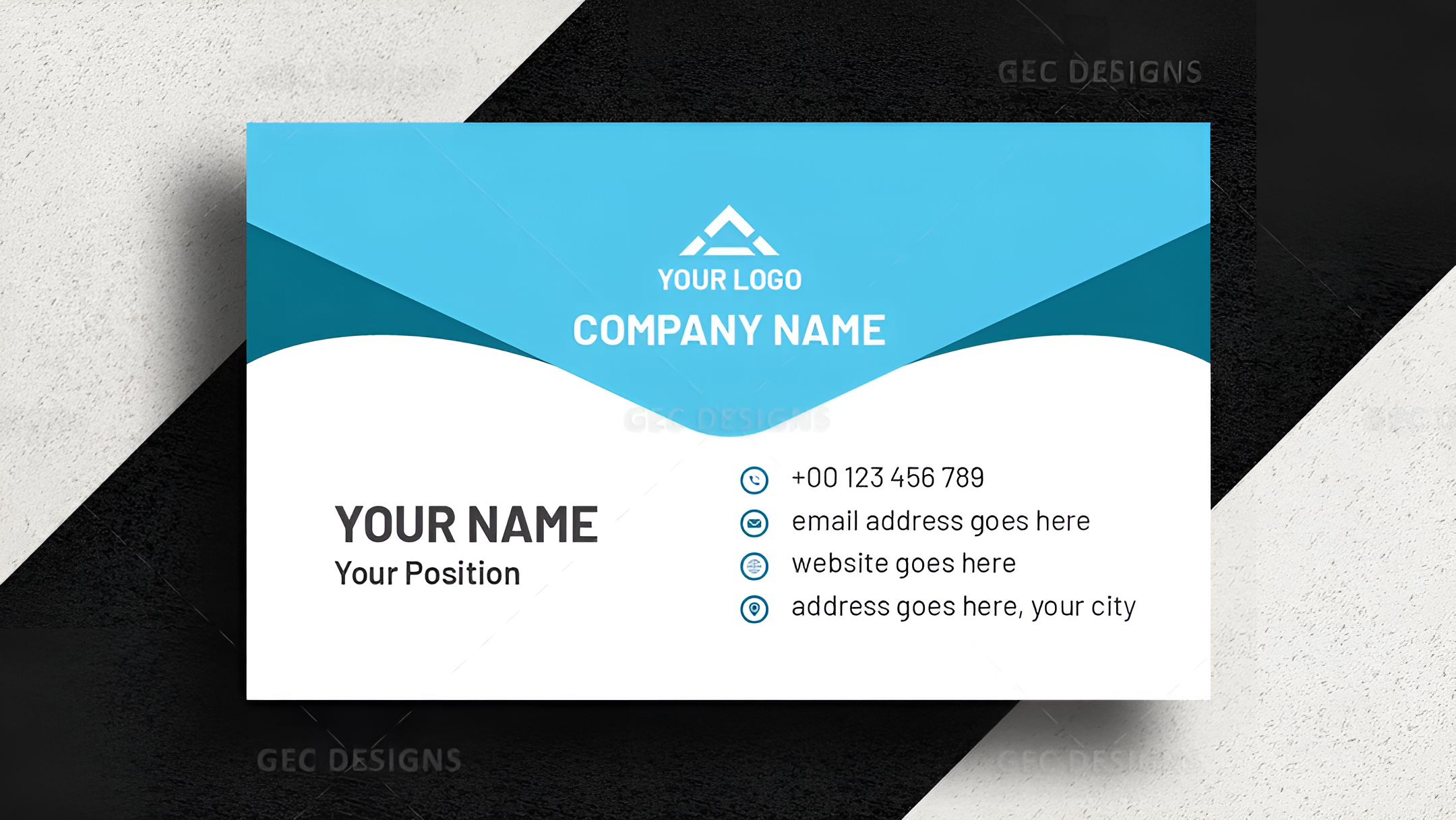
Also, don’t make people search for your information. Keep the layout intuitive. Use icons for phone, email, and web links if needed, but avoid visual clutter.

Employing Borders or Design Elements Too Close to the Edge

Don’t place borders or text near the edges of your card. If business cards are bulk-printed and cut, there are minute movements in position. Borders may appear chopped off or lopsided. Keep bleeding and safe areas in mind at all times. Have at least 3mm (1/8 inch) between your critical elements and the edge of the card.

Not Considering the Audience

Your business card should be tailored to your target audience. For example, a graphic designer might want a bold, creative card, while a lawyer might prefer a clean, classic design. The design, colors, and even card shape should reflect your brand and resonate with the people you’re trying to reach.

Selecting odd shapes or materials may be eye-catching, but they could also be inconvenient. Consider where and how the card will be employed. Will it fit within a regular wallet or card pocket? If not, it might get tossed.

Avoiding Professional Guidance

One of the largest errors is doing it all yourself. DIY tools are great, but without design experience, what you have at the end will look amateur. Professional design print services provide value far beyond getting ink on paper. They assist you in getting a design that suits your brand, utilizing appropriate colors and arrangement, and ensuring the finished product looks professional.

Even if you have a simple design, having a second opinion or using the services of a printing expert can spare time and avoid expensive mistakes.

Not Proofreading

This is perhaps the easiest error but the most disastrous. A spelling error in your name, email address, or profession immediately reduces your credibility. Check over your design several times. Have someone else check it. It’s simple to overlook errors in your own designs. Once it’s been printed, correcting a mistake equates to reprinting the whole batch.

Omitting the Print Test

Always request a sample or proof before a full run. This allows you to verify color accuracy, feel of the material, and print quality. It is your last opportunity to find a problem before ordering a large amount. A simple test can save waste and make your cards appear just as you envisioned.

Final Thought

Avoiding these common mistakes can make a huge difference in how your business cards are received. If you’re serious about presenting a professional image, working with a trusted partner is essential.

At Emperorprinting, we know how significant every detail matters—from design to print. We don’t simply provide great business cards. We provide guidance, professional service, and quality you can trust. If you need assistance with layout, paper selection, or print finishes, we make sure your cards represent your brand at its best.

Ready to make your first impression matter? Let Emperorprinting work on your next business card project with care and attention to detail.

FAQ :

What are the most common mistakes to avoid when printing business cards?

Some common mistakes include cluttered designs, low-resolution graphics, inconsistent colors, poor-quality paper, and missing contact details.

Why does color look different on my printed business cards than on screen?

Screens use RGB color, while printers use CMYK. If colors aren’t converted properly, your printed card may look dull or inaccurate.

How can I ensure my business card design looks professional?

Keep the design simple and readable, use high-resolution images, maintain spacing from edges, and avoid using more than two fonts.

Why is paper stock important in business card printing?

Paper stock affects how your card feels and lasts. Thick, textured, or coated paper gives a more professional impression and increases durability.

Do I need a proof before printing my cards in bulk?

Yes. Always request a printed proof to check layout, color accuracy, and material quality before placing a full order.
Read more

The Evolution of NFC Business Cards: A New Form of Digital Networking Tool

In today’s rapid business world where impressing others quickly is vital, professionals need to move away from conventional ways and towards more interactive, tech-based tools. One of the most cutting-edge developments is the NFC Cards printing phenomenon, a genius and convenient solution to current networking. In contrast to traditional cards, NFC (Near Field Communication) business cards enable you to exchange contact info, websites, social media handles, and other data with a simple touch. While the need for business card printing near me keeps rising, NFC cards provide a compelling option that marries design, ease, and functionality.

What Are NFC Business Cards?

NFC business cards are physical cards embedded with a small NFC chip. When tapped against a smartphone, the chip triggers a preset digital action. This could be opening your LinkedIn profile, saving contact details, launching a promotional video, or even navigating to your portfolio website.

These cards substitute typing out contact information or surrendering paper cards that are frequently misplaced or discarded. In a world where time is scarce and attention spans are short, NFC cards are instant value. They’re particularly favored by technology-forward professionals, entrepreneurs, and business people who want a more intelligent way of connecting.

How NFC Business Cards Work

The NFC card technology is straightforward but efficient. The integrated chip sends data through close-range wireless communication when in close proximity to a supporting device. The majority of contemporary smartphones incorporate built-in NFC readers, making the cards available everywhere without the need for apps and downloads.

When you tap the card against the back of a smartphone, the action you’ve programmed happens immediately. The recipient can store your contact, view your services, or do whatever else you’ve programmed. It’s instant, quick, and makes an impression that lasts.

Advantages of NFC Business Cards

Instant Transfer of Data

Forget inputs using your hand or scanned QR codes. NFC business cards send data immediately using a single tap, and it becomes simple for your contacts to interact with your brand.

Personalized Experience

You’re able to program your card to do various activities such as sending a digital business card to a new contact, playing a video, or going to a website. This allows you total control of the way you’re represented online.

Reusable and Eco-Friendly

A single card is reusable hundreds of times, which is an eco-friendly solution compared to paper cards. You can renew the digital information at any time without reprinting the physical card.

Impressive and Memorable

Giving a person a card that awakens their phone provides a memorable experience. It indicates you’re forward-thinking, tech-savvy, and committed to your business persona.

NFC vs Traditional Business Cards

Though old-fashioned cards are their own charm and are largely used, they have drawbacks. You give them out and pray the person doesn’t lose or toss them. They cannot be refreshed, they don’t allow for engagement tracking, and they tend to get stuffed into drawers or thrown out.

NFC cards, however, provide enduring interaction. They connect the physical and virtual worlds. You establish a personal touch while at the same time leading the individual to your web presence. In addition, you are able to monitor how frequently your card was tapped and adapt content to have maximum effect.

Use Cases for NFC Cards

These cards are perfect for professionals from any industry. You can be a freelancer, consultant, real estate agent, or corporate member, and NFC cards can improve the way you network. They come in handy during trade shows, conferences, client meetings, or friendly networking get-togethers.

Creative professionals utilize them to connect directly to portfolios. Sales teams connect to electronic brochures or booking forms. Business owners pass on contacts directly to online stores or service pages. The uses are broad and the benefit is instant.

Are NFC Cards Secure?

Security is usually a risk with wireless technology, yet NFC works within a controlled space (usually less than 4 cm), so unauthorized access is extremely unlikely. You control what data is sent as well as being able to change or cancel the card whenever you want. For those who want to continue to enjoy convenience alongside control, NFC business cards are a logical solution.

The Future of Business Networking

The corporate world is embracing digitalization in all forms, and networking is not left behind. NFC business cards are the new normal for innovative professionals. With more individuals focusing on digital communication and effective interaction, these cards will keep going up the popularity charts.

They provide not only convenience but a means of remaining relevant and responsive. They enable you to share more value with one action, creating doorways to more substantial engagement and quicker follow-ups. For those professionals wanting more than simply a printed name and number on their business card, NFC is the natural progression.

Final Thoughts

The trend toward NFC Cards printing is a sign of the larger push toward digital-first solutions. These intelligent cards are not just a fad, they are a sign of how professionals prefer to communicate now. The next time you are looking for trusted business card printing near me and want to consider top-of-the-line options that marry technology with flair, NFC cards must be high on your list.
At Emperorprinting, we keep you ahead of the pack by providing top-of-the-range NFC business card printing services that are completely brand-specific. Our experts ensure each card provides function, design, and an impactful first impression. Elevate your network to the next level with a card that does the talking—for you, instantly.

FAQ :

What are NFC business cards?

NFC business cards are smart cards with embedded chips that share digital info—like contact details or websites—instantly with a tap.

How do NFC cards work with smartphones?

Just tap the card on the back of an NFC-enabled smartphone to trigger a preset action, such as opening a portfolio or saving a contact.

Are NFC business cards secure?

Yes. NFC technology works within a short range (under 4 cm), reducing risks of unauthorized access, and you control the shared data.

What are the benefits of NFC cards over traditional ones?

NFC cards are reusable, eco-friendly, customizable, and provide instant, memorable interactions with digital tracking capabilities.

Who can benefit from NFC business cards?

Freelancers, corporate professionals, creatives, and business owners can all use NFC cards to network smarter and more efficiently.

Read more

The Complete Guide to Book Printing: What You Need to Know

If you are an author printing your first book, a business owner publishing company manuals, or a photographer looking to print a high-end photo album, it is always helpful to understand the process of book printing. One of the initial things that most people do is seeking book printing near me with the purpose of finding a reliable, local printer capable of bringing their project to life with quality and professionalism. This guidebook will walk you through everything you need to know—how it is printed, the types of paper, the types of binding and pre-printing tips—so you can move forward with confidence and clarity.

What is Book Printing?

Book printing is the method of putting written or graphical data on paper, binding it, and presenting it in the form of a full book. Depending on what type of book you’re printing—a novel, workbook, catalog, or photobook—the process may be slightly different, but the general pattern remains the same. Book printing has evolved significantly, with options for customizations and formats to suit personal, academic, or business needs. Whichever the number of copies needed – 10 or 10,000 – it all starts with the right method and material.

Offset vs Digital Printing

The two most common book printing technologies are offset printing and digital printing.

Offset printing generates quality output, ideal for large print jobs. Offset printing involves metal plates etching to push ink onto paper to produce uniform image quality, rich colors, and professional finishes. Offset printing has a greater setup cost but is cost-effective for bulk orders.

Digital printing is not so good for large orders or on-demand situations, though. It’s fast, flexible, and doesn’t require plates. Digital printing is best for self-publishing books, company manuals, or testing a print run before you would place the larger quantities. If you’re researching book printing services near me, consider your volume needs first, as that will determine what will work for you.

Choosing the Right Paper

Paper selection makes a big difference to the look and feel of your book. Keep the following in mind:

  • Coated paper creates a smooth, glossy or matte finish, ideal for books containing high numbers of pictures or color printing.
  • Uncoated paper gives a natural, non-reflective feel, best suited to word-based books like novels.
  • Paper thickness has an effect on durability. thicker stock feels upscale but costs more to produce and ship.

Choosing the wrong paper will affect your book’s readability and looks, so always request samples or consult with your printer beforehand.

Binding Styles Explained

The binding you choose not only determines the look of your book but its usability as well.

  • Perfect Binding: Used on most paperbacks. Cover and pages are glued along the spine, creating a flat, smooth edge.
  • Hardcover Binding: Durable and long-lasting. Often used for professional, academic, or gift books.
  • Saddle Stitching: Pages stapled along the spine. Suitable for thin booklets or manuals.
  • Spiral Binding: Pockets pages flat when opened. Suitable for handbooks, recipe books, or organizers.

All of them have an application depending on your book’s purpose and page count.

Preparing Your File for Print

Proper file preparation prevents delays and errors. Some of the following are requirements:

  • Save your file as a high-resolution PDF with embedded fonts and CMYK color space.
  • Add correct bleed areas (generally 0.125 inches) and margin safety zones.
  • If designing your own cover, ensure the spine width is determined by page count and paper type.
  • Double proof for spelling, formatting, and picture quality.
  • A correctly prepared file makes production more efficient and the final product better.

Print Quantity and Cost

As you design your book printing project, determine how many copies you need. For print runs ranging from 25, yet up to 500, digital printing is economical and convenient. For large print runs, offset printing becomes more cost-effective per piece, although it entails a higher setup charge.

Options such as these also drive cost:

  • Page count
  • Paper quality
  • Binding type
  • Color or black-and-white print
  • Cover finish (e.g., matte, gloss, or soft-touch laminate)

Order itemized estimates and inquire about what is included. It’s generally worth a little extra for quality rather than cheap and achieving disappointing results.

Turnaround Time and Local Advantages

Timing is another factor to consider. Digital printing can often be completed in a few business days, while offset may take longer due to setup requirements. If you’re on a tight schedule, working with a local provider found through your search for book printing near me can speed up communication and delivery.

Regional printers also offer you the advantage of viewing hard-copy samples, attending press checks, or even collecting orders in-house—essentially invaluable for time-sensitive projects.

Why Quality and Service Matter

A professionally printed book makes you look professional, whether it is a product brochure, corporate report, or personal biography. Flimsy or cheap printing may ruin your first impression. Choose a printer that is communicative, clear on deadlines, and willing to answer technical questions. Ask for viewing sample projects and customers’ feedback.

You’re not buying an item—you’re investing in a business partner who helps you bring your dream into print.

Wrapping It Up

Book printing is more than a technical process—it’s a creative and strategic decision that impacts how your content is received and remembered. From selecting the right printing method to choosing materials and preparing your file, each step contributes to the quality of the final product. Whether you’re producing a single copy or thousands, it pays to work with professionals who understand your needs.
If you are looking for dependable book printing services in my vicinity, Emperorprinting offers full sets of printing services backed by experience, quality materials and individualized customer service. We’re here to help you turn your manuscript, design or idea into a book ready to impress. Let us help you turn your vision into life with clarity and craftsmanship that gleams on every shelf.

FAQ :

What is the difference between offset and digital book printing?

Offset is ideal for bulk orders with high quality, while digital printing suits small runs and quick turnarounds.

How do I choose the right paper for my book?

Use coated paper for images and color, and uncoated paper for text-heavy books. Thickness affects feel and cost.

What are the most common book binding options?

Common types include perfect binding (paperbacks), hardcover, saddle stitching (booklets), and spiral binding (manuals).

How should I prepare my file for printing?

Submit a high-res PDF in CMYK with bleed, margins, embedded fonts, and accurate spine size. Always double-check content.

How do I estimate the cost of book printing?

Cost depends on quantity, page count, paper type, binding style, color printing, and cover finish. Get itemized quotes.

Read more

How to Choose the Right Cup Printing Service for Your Business

Finding the right cup printing near me can be a game-changer for your branding and promotional efforts. Whether you’re a small café, a corporate brand, or an event organizer, professionally printed cups create a lasting impression on your customers. In today’s competitive market, personalized cups not only elevate your brand’s aesthetic appeal but also improve customer experience and brand recall. However, choosing the right printing service requires more than a simple online search.

This blog will walk you through everything you need to know before selecting a cup printing provider and what to watch for to ensure quality, reliability, and value.

Understand Your Printing Needs

Before diving into your search, take a moment to assess your specific requirements. Do you need paper cups, plastic, or reusable mugs? Are you looking for single-color logo prints or full-wrap custom designs? Understanding your design needs, order quantity, delivery expectations, and budget will help narrow down your options.

Also, consider whether you need complementary services such as mug printing near me—this is especially useful if you’re planning a complete branding set for promotional giveaways or office supplies.

Evaluate Printing Quality

Quality should be your top priority. A poorly printed cup can harm your brand’s image just as much as a poorly made product. Ask potential suppliers for samples of previous work. Check the print sharpness, ink quality, and how well the print holds up to heat or moisture, depending on the type of beverage you’ll serve in the cup.

High-resolution prints, color accuracy, and consistency across bulk orders are key indicators of a quality service provider. It’s also helpful to check whether they use food-safe and eco-friendly inks if sustainability is part of your brand ethos.

Check Customization Options

Every business is unique, and your cup designs should reflect your identity. A reliable service should offer a wide range of customization features—from sizes and shapes to full-color branding and design support. Can they print your logo, taglines, social media handles, or QR codes for marketing integration?

More advanced services may even offer seasonal or themed design templates to match events or promotions. Make sure the provider gives you enough flexibility to get creative without compromising quality.

Turnaround Time and Delivery

If you are working with tight deadlines—especially for event marketing or product launches—delivery speed becomes a major factor. Ensure that your chosen service can meet your timeline without sacrificing quality.

Ask the provider about their average turnaround time and whether they offer express printing or delivery options. Delayed deliveries can disrupt operations and cost you more in the long run.

Customer Support and Communication

A professional printing service should be easy to reach and responsive to your questions. Whether it’s discussing design changes, order status, or technical support, clear communication ensures smooth collaboration.

Look for providers with dedicated account managers or easy-to-access support teams. Prompt communication, transparency, and a willingness to answer questions are signs of a reliable and customer-focused business.

Online Reviews and Testimonials

While word of mouth still matters, online reviews are now a major decision-making tool. Take time to read customer feedback on Google, social media, or local business directories.

Are customers satisfied with their printed cups? Do they mention timely delivery and print quality? Is there any recurring negative feedback? These insights help set realistic expectations and give you confidence in your decision.

Pricing and Value

While cost is an important factor, don’t settle for the cheapest option without considering the overall value. Compare pricing structures—some services charge per unit, while others offer discounts for bulk orders.

Pay attention to what’s included in the price. Does it cover design setup, proofing, packaging, or shipping? Transparent pricing with no hidden charges will help you stick to your budget while avoiding surprises.

Local Availability vs. Online Services

While online services offer convenience, many businesses prefer working with local vendors for faster communication, in-person support, and quick turnarounds. That’s why searching for cup printing near me is often more practical than browsing through dozens of web-based vendors with no regional presence.

Local suppliers can also offer better control over the production process and easier reordering in the future.

Final Thoughts

Choosing the right cup printing service involves more than just finding someone who can place a logo on a cup. It’s about finding a reliable partner who understands your brand, delivers quality, and supports your business goals through exceptional service.

If you’re searching for cup printing near me or mug printing near me, Emperorprinting is your trusted choice for custom cup solutions. With a reputation for excellence, fast delivery, and high-quality customization, Emperorprinting ensures your branding stands out with every cup you serve. Whether it’s for corporate events, daily café use, or marketing campaigns, their expert team is ready to bring your vision to life—one cup at a time.

FAQ :

What factors should I consider when choosing a cup printing service?

Look for print quality, customization options, turnaround time, customer support, and pricing transparency.

How can I ensure the print quality is good?

Request samples, check for sharpness, color consistency, and confirm that food-safe, durable inks are used.

Are local cup printing services better than online options?

Local vendors often offer faster communication, quick delivery, and better control over reorders and customizations.

What customization features should a good provider offer?

Look for options like full-color printing, logo placement, QR codes, seasonal themes, and support for various cup sizes.

How important is delivery time for cup printing?

Very important—especially for events or launches. Always confirm turnaround times and ask about express options if needed.

Read more